Why Airport Ground Staff Training Is Essential for a Successful Aviation Career.
- By Global
- (0) comments
- October 19, 2026
Why Airport Ground Staff Training Is Essential for a Successful Aviation Career.
Why Airport Ground Staff Training Is Essential for a Successful Aviation Career.
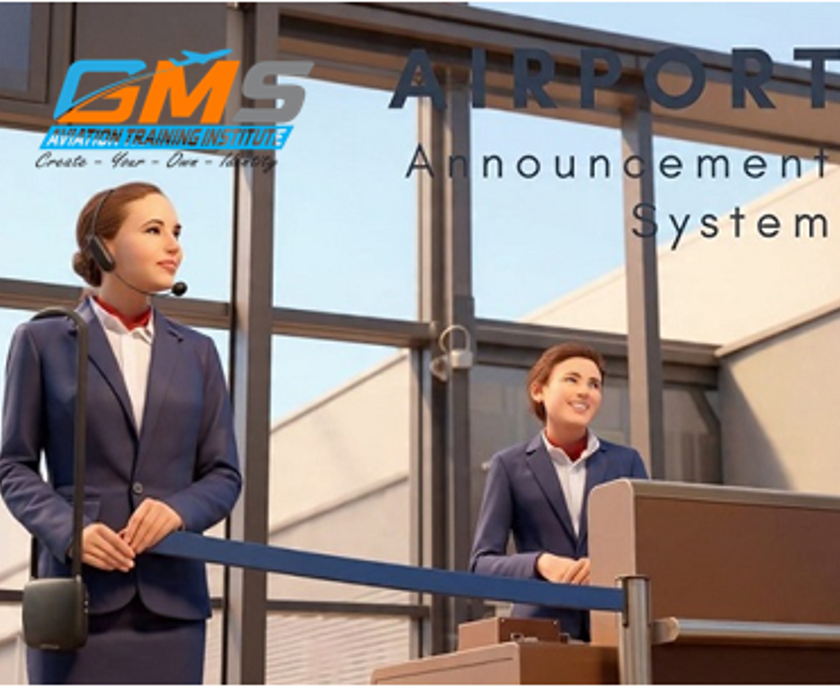
The aviation industry is one of the fastest-growing sectors in the world, offering exciting career opportunities for individuals who dream of working in airports and airlines. While pilots and cabin crew often receive the spotlight, the smooth functioning of every airport depends heavily on a dedicated team working behind the scenes. These professionals are known as airport ground staff, and they play a critical role in ensuring passengers, aircraft, and airline operations run efficiently.
For aspiring aviation professionals, enrolling in Airport Ground Staff Training is one of the most effective ways to build a strong foundation for a rewarding career. This specialized training equips candidates with the knowledge, practical skills, and confidence required to excel in a highly dynamic airport environment.
In this article, we will explore why Airport Ground Staff Training is essential for a successful aviation career, the skills it develops, career opportunities it opens, and how it prepares candidates for long-term growth in the aviation industry.
Understanding the Role of Airport Ground Staff
Before discussing the importance of training, it is important to understand what airport ground staff actually do.
Ground staff professionals are responsible for a wide range of activities that ensure smooth airport and airline operations. Their responsibilities may include:
- Passenger check-in services
- Boarding and deboarding assistance
- Ticket verification
- Baggage handling coordination
- Customer service support
- Flight information management
- Security procedures
- Handling passenger queries
- Assisting special-needs travelers
- Coordinating with airline departments
These tasks require excellent communication, problem-solving abilities, professionalism, and operational knowledge. This is where Airport Ground Staff Training becomes invaluable.
The Growing Demand for Aviation Professionals
India’s aviation sector has witnessed remarkable growth over the last decade. New airports are being developed, airline fleets are expanding, and passenger traffic continues to increase every year.
As the aviation industry grows, airlines and airports require skilled personnel who can manage operations efficiently. Employers are increasingly looking for candidates who possess industry-specific knowledge and practical skills rather than just academic qualifications.
Completing Airport Ground Staff Training helps candidates meet these expectations and stand out in a competitive job market. It demonstrates a commitment to learning and a readiness to handle real-world airport responsibilities.
Building Strong Industry Knowledge
One of the primary reasons why Airport Ground Staff Training is important is that it provides comprehensive industry knowledge.
Many newcomers to aviation have limited understanding of airport operations. Training programs introduce students to:
- Airport terminology
- Airline operations
- Passenger handling procedures
- Aviation safety standards
- Airport security regulations
- Customer service protocols
- International travel requirements
This knowledge helps students understand how various departments work together to ensure safe and efficient airport operations.
Without proper training, adapting to the fast-paced aviation environment can be challenging. Structured learning helps bridge the gap between theory and practical application.
Enhancing Communication Skills
Communication is one of the most important skills required in aviation.
Ground staff interact with passengers from different regions, cultures, and backgrounds. They must provide information clearly, answer questions professionally, and handle complaints calmly.
A quality Airport Ground Staff Training program focuses heavily on communication development. Students learn:
- Professional speaking techniques
- Customer interaction skills
- Telephone etiquette
- Public announcement procedures
- Conflict resolution methods
- Professional body language
Strong communication skills not only improve job performance but also increase confidence when dealing with passengers and colleagues.
Developing Customer Service Excellence
Passenger satisfaction plays a crucial role in the success of airlines and airports.
Ground staff are often the first and last point of contact for travelers. Their behavior directly influences the passenger experience.
Through Airport Ground Staff Training, candidates learn how to:
- Welcome passengers professionally
- Address customer concerns
- Handle difficult situations
- Maintain professionalism under pressure
- Deliver exceptional service
Excellent customer service can significantly improve airline reputation and passenger loyalty. Therefore, employers highly value candidates who have received professional training in this area.
Learning Airport Safety and Security Procedures
Safety is the foundation of the aviation industry.
Airports operate under strict regulations designed to protect passengers, employees, and aircraft. Ground staff must understand these regulations and follow them consistently.
A well-designed Airport Ground Staff Training course covers:
- Airport safety protocols
- Emergency response procedures
- Security awareness
- Restricted area regulations
- Passenger screening guidelines
- Incident reporting procedures
Understanding these procedures helps ensure compliance with aviation standards while contributing to a safe airport environment.
Improving Problem-Solving Abilities
Every day at an airport brings new challenges.
Flights may be delayed, baggage may be misplaced, weather conditions may change, or passengers may require urgent assistance.
Professionals who undergo Airport Ground Staff Training learn how to assess situations quickly and find effective solutions. Training often includes practical scenarios that help students develop:
- Critical thinking skills
- Decision-making abilities
- Stress management techniques
- Crisis handling capabilities
These skills are highly valued because aviation operations require quick and accurate responses to unexpected situations.
Gaining Practical Exposure
Theoretical knowledge alone is not enough in aviation.
Employers prefer candidates who have practical understanding of airport operations. Many Airport Ground Staff Training programs include:
- Simulated airport environments
- Role-play exercises
- Practical demonstrations
- Industry workshops
- Internship opportunities
Practical exposure helps students become familiar with real airport procedures before entering the workforce. This reduces the learning curve and increases employability.
Increasing Employment Opportunities
One of the biggest advantages of completing Airport Ground Staff Training is improved job prospects.
Training prepares candidates for various positions, including:
- Airport Customer Service Executive
- Passenger Service Agent
- Check-in Executive
- Boarding Gate Staff
- Ticketing Executive
- Reservation Executive
- Airline Customer Support Representative
- Ground Operations Assistant
- Baggage Service Executive
Because employers often prioritize trained candidates, completing a recognized training program can significantly improve the chances of securing employment.
Building Professional Confidence
Confidence is essential when working in a busy airport environment.
Ground staff must interact with hundreds of passengers daily while handling multiple responsibilities. Lack of confidence can affect performance and customer satisfaction.
Through structured Airport Ground Staff Training, students gain confidence by:
- Practicing real-life scenarios
- Learning industry procedures
- Improving communication skills
- Receiving professional guidance
As confidence grows, candidates become better prepared for interviews and workplace responsibilities.
Understanding International Aviation Standards
Modern aviation is a global industry.
Airports and airlines often follow international standards established by aviation authorities and organizations. Ground staff need to understand these standards to perform their duties effectively.
A professional Airport Ground Staff Training course introduces students to:
- International aviation practices
- Airline service standards
- Passenger handling guidelines
- Global customer service expectations
This knowledge becomes especially valuable for those seeking opportunities with international airlines and airports.
Creating Career Advancement Opportunities
Many aviation professionals begin their careers in entry-level ground staff positions and gradually advance to higher roles.
With experience and dedication, individuals can progress to positions such as:
- Senior Customer Service Executive
- Ground Operations Supervisor
- Airport Duty Manager
- Airline Operations Coordinator
- Passenger Service Manager
- Airport Operations Manager
The foundation provided by Airport Ground Staff Training helps candidates develop the skills needed for long-term career growth.
Adapting to Technological Advancements
Technology continues to transform airport operations.
Modern airports use advanced systems for:
- Passenger check-in
- Baggage tracking
- Flight scheduling
- Customer management
- Security monitoring
A comprehensive Airport Ground Staff Training program familiarizes students with these technologies and helps them adapt to evolving industry requirements.
Technology awareness makes candidates more valuable to employers and better prepared for modern aviation workplaces.
Preparing for a Dynamic Work Environment
Airports operate around the clock and require employees to manage changing situations efficiently.
Ground staff may encounter:
- High passenger volumes
- Tight schedules
- Flight disruptions
- Diverse customer needs
- Operational challenges
Through Airport Ground Staff Training, students learn how to remain organized, professional, and productive even in demanding situations.
This preparation helps them thrive in the fast-paced world of aviation.
Improving Interview Performance
Many candidates struggle during aviation job interviews because they lack industry knowledge.
Training programs often include interview preparation sessions that cover:
- Common aviation interview questions
- Professional grooming standards
- Resume building
- Communication techniques
- Confidence development
Candidates who complete Airport Ground Staff Training are generally better prepared to demonstrate their knowledge and professionalism during recruitment processes.
Strengthening Teamwork Skills
Airport operations require constant coordination among different departments.
Ground staff frequently collaborate with:
- Airline personnel
- Security teams
- Cabin crew
- Baggage handlers
- Airport management
- Technical staff
Effective teamwork is essential for maintaining operational efficiency.
A good Airport Ground Staff Training program emphasizes collaboration, coordination, and professional workplace behavior, helping students become effective team members.
Contributing to Passenger Satisfaction
Passengers remember their airport experience long after a journey ends.
Helpful, professional, and courteous ground staff can transform a stressful travel experience into a pleasant one.
By completing Airport Ground Staff Training, candidates learn how to create positive passenger interactions through:
- Professional communication
- Prompt assistance
- Empathy and patience
- Problem resolution
- Service excellence
This ability to enhance passenger satisfaction is one of the most valuable qualities employers seek.
Why Employers Prefer Trained Candidates
Airlines and airports invest significant resources in employee onboarding and development.
When employers hire candidates who have completed Airport Ground Staff Training, they benefit from individuals who already possess foundational knowledge and practical skills.
Trained candidates often:
- Require less initial training
- Adapt faster to workplace procedures
- Understand customer service expectations
- Demonstrate greater professionalism
- Contribute more quickly to operations
As a result, employers frequently favor applicants who have received specialized aviation training.
The First Step Toward a Rewarding Aviation Career
For many aspiring professionals, aviation represents more than just a job—it represents a passion for travel, customer service, and global connectivity.
However, success in this industry requires preparation, discipline, and specialized knowledge. Airport Ground Staff Training provides the essential foundation needed to enter the aviation sector with confidence and competence.
Whether your goal is to work at a domestic airport, join an international airline, or build a long-term aviation career, professional training can significantly improve your chances of success.
Conclusion
The aviation industry offers exciting career opportunities, but standing out in a competitive job market requires the right skills and preparation. Airport Ground Staff Training equips aspiring professionals with industry knowledge, customer service expertise, communication abilities, safety awareness, and practical experience that are essential for airport operations.
From improving employability and interview performance to building confidence and opening doors to career advancement, the benefits of Airport Ground Staff Training are substantial. As airports and airlines continue to expand, the demand for skilled and trained professionals will only increase.
For anyone aspiring to build a successful aviation career, investing in Airport Ground Staff Training is not just a smart choice—it is an important step toward a future filled with growth, opportunities, and professional success.